Ventilation and Anaesthesia Circuits
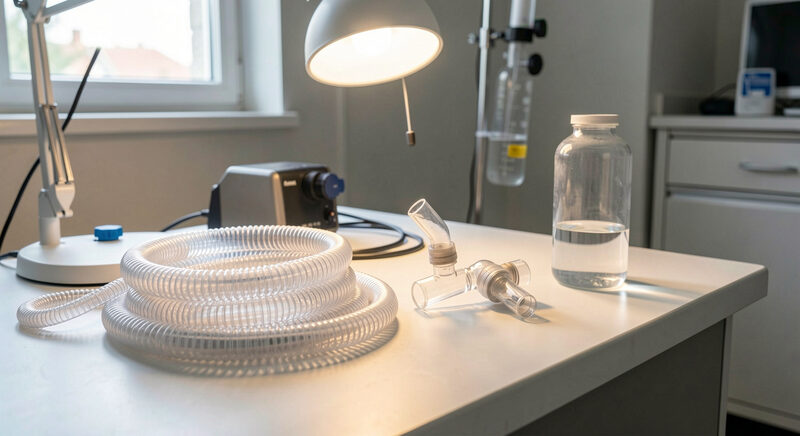
A breathing circuit is the set of tubes, connectors and traps that carries gas between a ventilator or anaesthesia machine and the patient. It looks simple on a trolley, yet almost every decision that shapes ventilation at the bedside is made inside it: how much dead space the patient breathes, how compliant the tubing is, how much condensate collects in a limb, and whether the gas arriving at the airway is warm enough. This section gathers the guides on ventilator and anaesthesia circuits, from adult ICU tubing to neonatal limbs and heated wire systems.
What a ventilator breathing circuit is made of
A ventilator circuit is an assembly of corrugated tubes that connects the machine to the patient. The inspiratory limb carries gas towards the patient and the expiratory limb carries it back, meeting at a Y-piece near the airway. Along the way there may be water traps, a temperature probe, a filter, and connectors that reduce the assembly to the diameter of an endotracheal tube. Corrugated tubing is used because it resists kinking when the patient moves, while staying light enough not to pull on the airway. The ventilator breathing circuits guide covers how adult, paediatric and neonatal versions differ, and why tube diameter and compliance matter more in small patients.
How do ventilator and anaesthesia circuits differ?
Both carry gas, but they are built for different jobs. A ventilator circuit is usually a two-limb system with a humidifier or filter in line, and it is designed to move gas that the machine generates. An anaesthesia circuit sits on an anaesthesia machine and, in the common circle arrangement, allows the patient to rebreathe gas after carbon dioxide has been removed by soda lime. That difference changes the tubing, the valves and the connectors. The anaesthesia breathing circuits guide explains circle and Mapleson systems and what the absorber canister does. The two families share standards and connectors, which is why the same 22 mm fittings appear on both.
Why connectors and standards are not a detail
Breathing sets and connectors are covered by ISO 5367, which sets minimum requirements for breathing sets and tubes used with anaesthetic breathing systems, ventilator breathing systems, humidifiers and nebulizers. The standard covers leakage limits, flow resistance and the way a breathing tube is designated by its nominal overall length. Connectors follow ISO 5356-1, which defines the 22 mm and 15 mm cones that make different manufacturers' parts fit together. When a limb is replaced with a part that does not match, the assembly can leak or add resistance, and the ventilator's delivered volume no longer matches what was set.
Where condensation and water traps come in
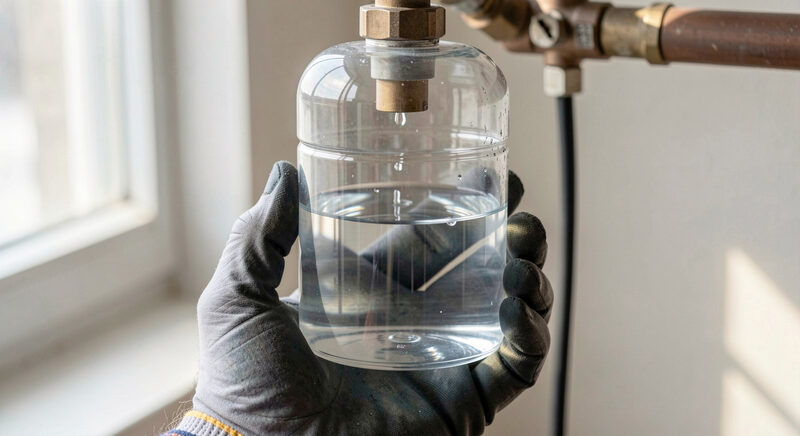
Gas leaving a humidifier is warm and carries water vapour. As it travels down a cooler limb, some of that vapour condenses on the tube wall and runs to the lowest point. A dependent loop can collect enough water to cause a gurgle, raise resistance and, if it moves, deliver a bolus of condensate towards the patient. Water traps give that liquid somewhere to sit and a place to be emptied. The water traps guide describes how single and double traps work and how to handle them without opening the circuit, and the heated wire circuits guide explains how a heated wire in the tube is used to keep the gas above its dew point.
Choosing a circuit for the patient in front of you
Circuit choice follows the patient. An adult ICU circuit is long and robust, with enough length for the patient to turn. A paediatric circuit is narrower to reduce dead space and compressible volume. A neonatal circuit is smaller again, often with low compliance tubing so that the small tidal volumes set on the machine actually reach the lungs. The compressible volume of a circuit is not trivial in a small patient: if a limb holds more volume than the tidal volume, the machine can spend much of its stroke filling the tubing. This is why neonatal and paediatric circuits are sold in defined sizes rather than cut to length.
What to check before a circuit goes on a patient
Before connection, the assembly is inspected as a whole: packaging intact, no visible damage, all connectors seated, the Y-piece the right way round, and the trap empty and closed. After connection, a leak test and a check that the set tidal volume is delivered confirm the circuit is sound. During use, the routine checks are the ones that catch slow problems: condensate in the limbs, the water level in the trap, and any change in the sound of the circuit. A quiet circuit that has started to gurgle is telling you where the water has gone.
How circuits are supplied and stored
Breathing circuits are supplied sterile or non-sterile depending on their intended use, and packaged so that the assembly is protected until it is opened. Heat and sunlight age the plastic. The practical rules are the ones on the label: check the expiry date, keep the packaging sealed until the moment of use, and store the circuits flat or hanging rather than crushed under other stock. When a circuit is opened, it is inspected before connection, and any tube that is kinked, cracked or discoloured is set aside. Because a circuit is a single assembly, the whole pack is opened at once, and the components are not mixed with parts from another pack unless the connectors and the sizes are known to match.
How the rest of this section fits together
The four guides here build on each other. Start with ventilator breathing circuits for the parts and sizes, then read heated wire breathing circuits for condensation control and water traps for condensate handling. If you work in theatre, the anaesthesia breathing circuits guide covers the circle system and its absorber. From there, the filters and humidification section takes over with the devices that condition and clean the gas before it reaches the airway.
Ventilation and Anaesthesia Circuits
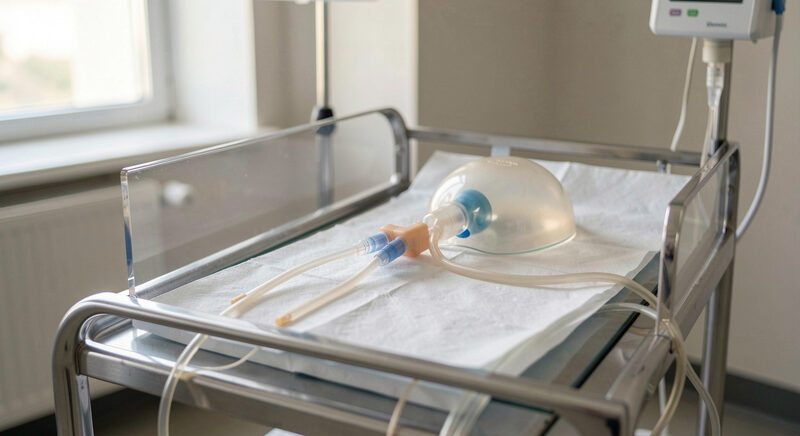
Ventilator Breathing Circuits
How adult, paediatric and neonatal ventilator breathing circuits differ in tube size, compliance, water traps and connections under ISO 5367.
Adult, paediatric and neonatal limbs and why the size matters.
Ventilation and Anaesthesia Circuits
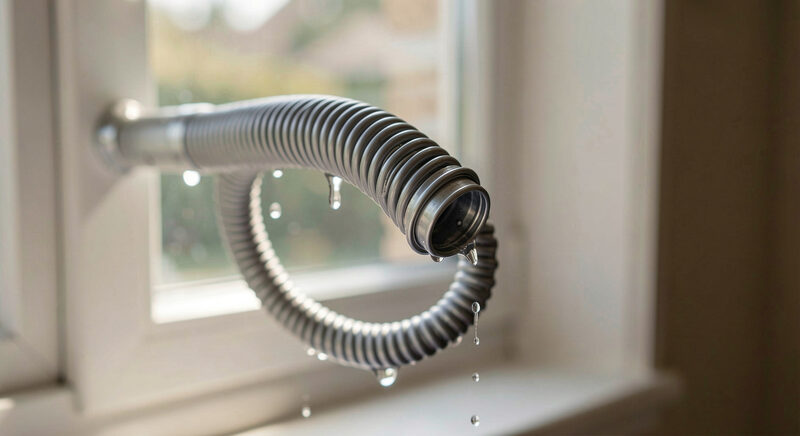
Heated Wire Breathing Circuits
Why heated wire circuits form condensation, how tube and room temperature interact, and the checks that keep rainout out of the airway.
Warm the tube wall and the water stays in the gas.
Ventilation and Anaesthesia Circuits
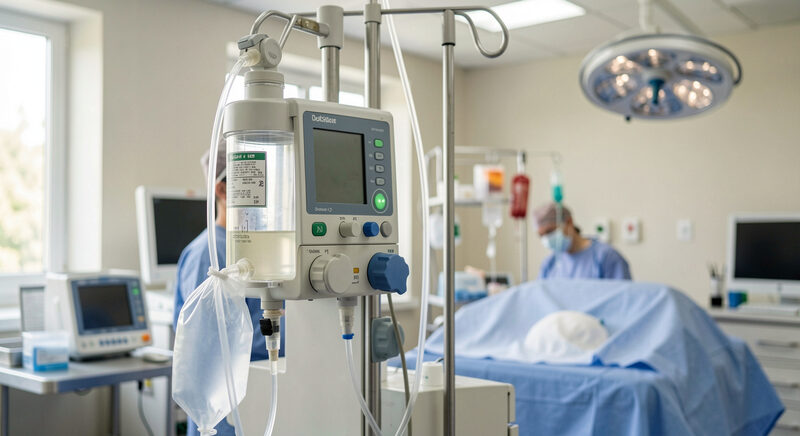
Anaesthesia Breathing Circuits
How circle and Mapleson anaesthesia breathing systems work, what soda lime does, and how circuits are chosen for adult and paediatric cases.
The circle system, its valves and the soda lime canister.
Ventilation and Anaesthesia Circuits
Water Traps in Breathing Circuits
What breathing circuit water traps collect, how double traps manage condensate, and how to empty and check them without breaking the circuit.
Catch the condensate before it reaches the airway.